new layout

Friday, February 24, 2012

Projuice Launching


We had a product launching last November 2011 at Oody's Greenbelt. This Launching is for our new product called ProJuice. It is a combination of 38 Fruits and Vegetables in one convenient sachet!

Gotta love that Sweet, Refreshing taste that is all Natural and Healthy!


MJ's Derma Line


1. MJ'S Derma Brightening Soap
 MJ'S Derma Brightening Soap is indicated for Acne, Acne scars, blackheads/ whiteheads, dry skin, Sun Damaged Skin, Blotchy pigmentation, fine wrinkles and other common skin problems we may encounter.
Directions on how to use: 
  • Use cold water to wash the face, lather the soap into your hands and gently massage your face and neck in a circular motion, rinse off with cold water then pat dry. For best results, use as much as needed.

2. MJ's Derma Facial Toner
MJ's Derma Toner is a non-drying, alcohol-free formula that contains natural Aloe Vera and witch Hazel together with special skin moisturizers and plant extracts for toning the skin. It also contains collagen and Allantoin for cell conditioning.  MJ's Derma Toner is a gentle preparation used to remove the last traces of cleanser, make-up, impurities and dull lifeless surface cells, thus providing good secondary cleansing and toning to tighten pores. It removes residual oils and dirt while invigorating the skin and leaving it clean, smooth, balanced and stimulated. 

Directions on how to use:
  • Wet the cotton ball with MJ's Derma Facial Toner just enough to moisten the face. Gently rub the face with the moistened cotton ball in a circular motion. Make sure that the face and neck is evenly cleansed.
  • For a more effective result, use this product at least twice a day, preferably in the morning and at night. Use this product along with the other MJ's Derma Complex Line. 

3. MJ's Derma Lightening Lotion
Moisturizing body lotion that nourishes the skin with its natural herbal ingredients. Avocado oil and Shea butter improves the skin's ability to remain moisturized. Sunflower stem extract is an effective anti-wrinkle agent. Vitamin E helps block free radicals, regenerated and leaves the skin feeling young and supple. Pro-vitamin B5 makes your skin soft and smooth.

Directions on how to use:
  •  After taking a bath, pat dry the skin and apply liberal amounts of  MJ's Derma Lightening Lotion in the whole body.  

4. MJ's Derma Night Moisturizing Cream
We Perfected this Night Cream to thoroughly moisturize and genetically slow down the aging process to maintain that youthful glow! This amazing product contains Essential Fatty Acids that protect and prevent water loss while the Green tea  and Vitamin E serves as powerful antioxidants that neutralizes free radicals. It also contains Sunflower oil to boost elasticity and suppleness of the skin. It helps prevent fine lines and wrinkles for a more youthful complexion.

Directions on how to use:
  • Gently massage a small amount of MJ's Derma Night Moisturizing Cream to the face and neck until well absorbed. For Best results, apply twice a day.

5. MJ's Derma Sun Protect SPF 30
Everything seems better when the sun shines, this silver lining brings its own cloud! With today's knowledge of the dangers of over exposure to the sun, we produce only the highest quality sun protection creams! 
That is where our product, MJ's Derma Sun Protect SPF 30, comes in. Combining modern science with natural ingredients, this effective sunscreen helps to soothe, lubricate, moisturize and protect the skin against sun damage. This sunblock contains an SPF of 30 which works by blocking both the UVA and UVB rays. Aloe Vera Gel is also added to this formula to maintain the skin's natural moisture and balance.

Directions on how to use:
  • After washing your face with MJ's Derma Soap  and cleansing the face with  MJ's Derma Facial Toner, apply a thin layer of MJ's Derma Sun Protect SPF 30 in the face and spread it in a circular motion. Wait for 30 minutes before going out of the house.

6. MJ's Derma Super Lightening Cream
If you suffer from dark spots, skin discoloration, and uneven skin tone, We have good news for you! Now, you can fade away those unwanted dark spots and get a brighter and even skin tone in just 2 weeks of dedicated use.  After doing thorough Research and Development along with the opinions of our valued clients, we came up with this super Lightening cream that is worth trying!

MJ's Derma Skin Complex Super Lightening Cream is designed to work in harmony with the other products of this line. It Helps optimize the look of the skin that lacks radiance and suppleness. It contains nourishing Hydrators and Texturizers that help restore skin's evenness. It has Visual Light modifiers that help promote an impressively uniform skin tone. 

Directions on how to use:
  • After using MJ's Derma Soap and MJ's Derma Facial Toner, Apply a thin layer of MJ's Derma Super Lightening Cream in the face and neck in a circular motion.

Thursday, February 16, 2012

38 Fruits and Vegetables in Projuice


38 Fruits and Vegetables in Projuice


1. Almond

Health Benefits: 
Almond seed and oils take part in the preparation of many beauty and health products. It has Anti-febrific, antitussive and pectoral properties which can help alleviate fever and pain. It is also effective on inflammations of the digestive and urinary tract and has light laxative properties. 

Nutrients: 
B-complex group of vitamins such as riboflavin, niacin, thiamin, pantothenic acid, vitamin B-6, and Folate, manganese, potassium, calcium, iron, magnesium, zinc and selenium.

2. Aloe Vera

Health Benefits: 
Aloe Vera is known for its Digestive improvement properties. In cases of inflammation of the stomach, hiatal hernia, gastritis and gastric ulcers, this plant has a gastric potent value to recover the gastric mucous and promotes drainage of bile. The Aloe Vera also possesses antiseptic, germicidal, anti-inflammatory, moisturizing and regenerative properties essential as remedies for wounds, ulcers, hematomas, cuts, scratches and the like.

Nutrients: 
Protein, Calcium, Magnesium, Zinc, Vitamins A, B12 and E, essential fatty acids and is naturally rich in: Vitamin C.

3. Apple

Health Benefits:
Apple contains Pectine that acts like a soluble fiber which aids the dissolution of cholesterol and is a good weapon against Diabetes. It also contains the Amino Acids Cysteine which eliminates toxins of the liver; Glycine which is a natural anti-acid and is responsible for the immune system; Arginine which is necessary for the muscular growth and tissue repair; Histidine, a vasodilator and stimulator of the gastric juice which fights anemia, arthritis and is very useful for ulcers; Lysine which takes part in the production of antibodies, construction of weaves and absorption of Calcium.

Nutrients: 
Flavanoids, Quercetin, Fiber, Pectin, Vitamin A, Vitamin B1, B2, Niacin, Calcium, Phosphorus,  Iron, Iodine, Potassium.


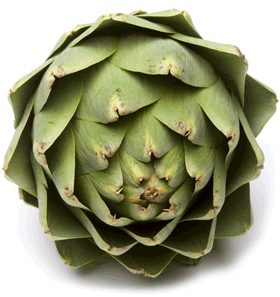
4.  Artichoke

Health Benefits:
Artichoke contains an acid called Cyanrin. It is found in the leaves and seeds of the plant. It is one of the most beneficial ingredients to protect the liver and help heal any condition that might affect it such as liver insufficiency, hepatitis, cirrhosis. Cynarin also stimulates the production of bile, helps in digestion and protects the body against microorganisms. It also has the capacity to reduce cholesterol and triglycerides, to lower the body sugar thus, protecting the kidneys.

Nutrients: 
Vitamin C, Folic Acid, Biotin, Niacin, Riboflavin, Thiamin, Vitamin A, Potassium and trace mineral Manganese.

5. Asparagus

Health Benefits: 
Asparagus is known for its cleansing and healing properties. It is a good source of Vitamin C which helps the body to produce and maintain collagen, the major structural protein component of the body’s connective tissues. It also contains a substance that acts as a diuretic, neutralizes ammonia that makes us tired and protects small blood vessels from rupturing.

Nutrients: 
Potassium, Folic acid, Vitamins A, C and K, and Traces of Vitamin B complex


6. Astralagus

Health Benefits: 
TA-65 is a proprietary extract if the dried root of the Astragalus membranaceus that is often associated with a significant age-reversal effect in the immune system because it declines the percentages of senescent cytotoxic T cells and natural killer cells. Telomerase is an enzyme that allows for the replacement of short bits of DNA and plays a role in cell replication, cancer and human aging.

Nutrients: 
Asparagine, astragalosides, calcysoin, formononetine, kumakatakenin, sterols, beta-carotene, Vitamins B1, B2, B3, Folic acid (Vitamin B9), Calcium, Choline, Chromium, Cobalt, Copper, GABA, Iron, Magnesium, Manganese, Phosphorus, Potassium, Protein, Selenium, Silicon, Sodium, Sucrose and Zinc.

7. Banana

Health Benefits: 
Bananas are an excellent source of Vitamin B6 and contain moderate amounts of Vitamin C, Manganese and Potassium. Consumption of bananas may be associated with reduced risk of colorectal cancer, breast cancer and renal carcinoma. It may also affect Dopamine production in people deficient in the amino acid tyrosine, a Dopamine Precursor present in banana.

Nutrients: 
Protein, Calcium, Magnesium, Zinc, Vitamins A, B12 and E, essential fatty acids and is naturally rich in: Vitamin C.

8. Bitter Gourd

Health Benefits: 
Bitter melon contains a unique phyto-constituent that has been confirmed to have a hypoglycemic effect called charantin.  There is also another insulin-like compound known as polypeptide P which has been suggested as insulin replacement in some diabetic patients. Bitter gourd juice is highly beneficial for treating blood disorders like blood boils and itching due to toxemia. It is also known to build your immune system and increase your body's resistance against infection.

Nutrients: 
Iron, Beta carotene, Calcium, Potasium, Vitamins B1, B2, and B3, C, Magnesium, Folic acid, Zinc, Phosphorus, Manganese, and has high dietary fiber.

9. Broccoli

Health Benefits: 
Broccoli has the highest levels of carotenoids in the brassica family.  It is particularly rich in lutein and also provides a modest amount of beta-carotene. Broccoli is high in Vitamin C, as well as Dietary Fiber ; it also contains multiple nutrients with potent anti-cancer properties, such as diindolylmethane and small amounts of selenium. The Diindolylmethane found in broccoli is a potent modulator of the innate immune response system with anti-viral anti-bacterial and anti-cancer activity. Broccoli also contains the compound glucoraphanin,  which can be processed into an anti-cancer compound sulforaphane. Broccoli is also an excellent source of indole-3-carbinol, a chemical which boosts DNA repair in cells and appears to block the growth of cancer cells.

Nutrients: 
Vitamins A, C, K, B6 and E, calcium, folic acid, Phosphorus, Potassium, Quercetin, Glutathione, Beta carotene, Indoles, Magnesium, Lutein, Glucarate and Sulphoraphane.

10. Carrot

Health Benefits:
Carrots are well-known for their sweetening, anti-anaemic, healing, diuretic, remineralizing and sedative properties. Carrots are the best sources of carotene which is a strong antioxidant. It contains Falcarinol, a compound found in this popular root has been found to prevent the development of cancer.

Nutrients: 
Pro-vitamin A, vitamins C, D, E, K, B1 and B6, Biotin, Potassium, Calcium, Magnesium, Phosphorus, Organic sodium and some trace Minerals.


11. Cauliflower

Health Benefits: 
Cauliflower is low in fat, low in carbs but high in dietary fiber, folate, water, and Vitamin C,  possessing a high density. Cauliflower contains several Phytochemicals, common in the cabbage family that may be beneficial to human health. Sulforaphane, a compound released when cauliflower is chopped or chewed, may protect against cancer. It also contains Indole-3-carbinol, a chemical that enhances DNA repair and acts as an estrogen antagonist slowing the growth of cancer cells.

Nutrients: 
B-complex Group of Vitamins such as Folate, Pantothenic acid (vitamin B5), Pyridoxine (vitamin B6) and Thiamin (vitamin B1), Niacin (B3),  Vitamin K.

12. Celery

Health Benefits: 
Celery is an excellent source of vitamin C and fibre.  It also has loads of analgesic, anti-inflammatory and diuretic compounds, as well as some calcium blockers, celery seed extracts seem appropriate for treating bladder infections. Celery seeds are said to improve the quantity and quality of urine and are a useful diuretic for urinary tract infections (UTIs). COX-2 inhibitors are a type of non-steroidal anti-inflammatory drugs (NSAIDs) that were acclaimed as the new "miracle aspirin", but needless to say have many side-effects. As it happens, many foods and edible spices contain natural COX-2 inhibitors and are unlikely to cause any adverse side-effects. Two of the best natural sources of COX-2 inhibitors are celery and celery seeds, which contain high amounts of painkilling apigenin.

Nutrients: 
Vitamins B1, B2, B6 and C with rich supplies of Potassium, Folic acid, Calcium, Magnesium, Iron, Phosphorus, Sodium and plenty essential amino acids.

13. Cherries
Sweet Cherries Beautiful Photo
Health Benefits: 
Cherries contain anthocyanins,  the red pigment in berries. Cherry anthocyanins have been shown to reduce pain and inflammation. Anthocyanins are also potent antioxidants under active research for a variety of potential health benefits. 

Nutrients: 
Beta Carotene (19 times more than blueberries or Strawberries) Vitamin C, Potassium, Magnesium, Iron, Fiber and Folate. 

14. Cinnamon


Health Benefits: 
Cinnamon improves glucose and lipids of people with type 2 Diabetes. Pharmacological experiments suggest that the cinnamon-derived dietary factor cinnamic aldehyde (cinnamaldehyde) activates the Nrf2 dependent antioxidant response in human epithelial colon cells and may therefore represent an experimental chemo-preventive dietary factor targeting colorectal carcinogenesis. 

Nutrients: 
Vitamin A and C along with Minerals like Zinc, Potassium, Magnesium and Manganese.

15. Garlic

Health Benefits: 
In in vitro studies, garlic has been found to have antibacterial, antiviral, and antifungal activity. 
Garlic is also claimed to help prevent heart disease (including atherosclerosis  high cholesterol and high blood pressure) and cancer. Garlic is used to prevent certain types of cancer, including stomach and colon cancers. In fact, countries where garlic is consumed in higher amounts, because of traditional cuisine, have been found to have a lower prevalence of cancer.

Nutrients: 
Vitamins A, B-complex and C. It provides a good supply of minerals like Manganese, Phosphorus, Calcium, Copper, Potassium, Iron and Copper.


16. Ginger

Health Benefits: 
The characteristic odor and flavor of ginger is caused by a mixture of zingerone, shogaols and gingerols,  volatile oils that compose one to three percent of the weight of fresh ginger. In laboratory animals, the gingerols increase the motility of the gastrointestinal tract and have analgesic, sedative, antipyretic and antibacterial properties.

Nutrients: 
Essential Oils, Protein, Calcium, Phosphorus, Iron, Vitamin C, Choline, Folic Acid, Inositol, Manganese, Panthotenic Acid, Silicon and Vitamin B3.

17. Grapefruit

Health Benefits: 
Grapefruit is an excellent source of many nutrients and phytochemicals that contribute to a healthy diet. Grapefruit is a good source of Vitamin C, contains the fiber pectin and the pink and red hues contain the beneficial antioxidant lycopene. Studies have shown grapefruit helps lower cholesterol  and there is evidence that the seeds have antioxidant properties. Grapefruit forms a core part of the "grapefruit diet", the theory being that the fruit's low glycemic index is able to help the body's metabolism burn fat.

Nutrients: 
Flavonoids, Resveratrol, Saponins, Ellagic Acid, Vit A, Vit B6, Vit C, Folate, Potassium, Calcium, Phosphorus, Magnesium, Iron, Selenium, Copper, Manganese, Zinc, Protein, Fiber


18. Grape Seed

Health Benefits: Biochemical and medical studies have demonstrated significant antioxidant properties of grape seed oligomeric proanthocyanidins together with tannins, polyphenols and polyunsaturated fatty acids,  these seed constituents display inhibitory activities against several experimental disease models, including cancer, heart failure and other disorders of oxidative stress. Grape Seed Oil from crushed seeds is used in cosmeceuticals and skincare products for many perceived health benefits. Grape seed oil is notable for its high contents of tocopherols (Viatmin E), Phytosterols and polyunsaturated fatty acids such as linoleic acid, Oleic acid and Alpha-linolenic acid.

Nutrients: 
20 times vit. C, 50 times vit. E

19. Green Tea

Health Benefits: 
Green tea contains salubrious polyphenols, in particular catechins the most abundant of which is epigallocatechin gallate.  Green tea also contains carotenoids, tocopherols ascorbic acid (vitamin C), minerals such as chromium, manganese, selenium or zinc, and certain phytochemical compounds. It is a more potent antioxidant than black tea, although black tea has substances that green tea does not such as the flavin. Green tea can reduce the risk of cardiovascular disease, dental cavities, kidney stones, and cancer, while improving bone density and cognitive function. Green tea consumption is associated with reduced heart disease in epidemiological studies.

Nutrients: 
EGCG (Cathechin-twice as powerful as Resveratrol


20. Goji Berry

Health Benefits: 
Wolfberry, commercially called goji berry have compounds rich in vitamin A that may have anti-aging benefits. These special compounds help boost immune function, protect vision, and may help prevent heart disease. Some research suggests that goji berry extracts may boost brain health and may protect against age-related diseases such as Alzheimer's.

Nutrients: 
18 amino acids, making these berries high in protein, 6 important vitamins,5 different types of fatty acids; including two essential fatty acids — linoleic acid and alpha linolenic acid, 5 powerful carotenoids — beta carotene, zeaxanthin, lutein, lycopene, and cryptoxanthin, Important pigments (phenols) with high antioxidant properties,8 polysaccharides and 5 monosaccharides

21. Gotu Kola

Health Benefits: 
Centella is a mild adaptogen, is mildly antibacterial, antiviral, anti-inflammatory, antiulcerogenic, anxiolytic nervine and vulnerary, and can act as a cerebral tonic, a circulatory stimulant, and a diuretic. It may be useful in the treatment of anxiety and may be a promising anxiolytic agent in the future. The isolated steroids from the plant also have been used to treat leprosy. Centella asiatica is used to revitalize the brain and nervous system, increase attention span and concentration, and combat aging. Centella asiatica also has antioxidant properties. It works for venous insufficiency.

Nutrients: 
Triterpenoid saponins , Volatile oils, Bitter Principles, Alkaloids, flavonoids, An alkaloid hydrocotyline, Amino acids, Resins, Tannins, Sugars, Manganese, Sodium, Calcium, Magnesium, Zinc, Thiamin, Niacin, Riboflavin, and Vitamin A.

22. Guava

Health Benefits: 
Guavas contain both carotenoids and polyphenols like gallocatechin, guaijaverin, leucocyanidin and amritoside the major classes of antioxidant pigments giving them relatively high potential antioxidant value among plant food. Guavas are rich in dietary fiber, vitamins A and C, Folic Acid and the Dietary Minerals, Potassium, Copper and Manganese.  Having a generally broad, low-calorie profile of essential nutrients, a single common guava fruit contains about four times the amount of vitamin C as an orange.

Nutrients: 
Vitamin C, Beta-carotene, Quercetin, Lycopene, Potassium, Fiber.


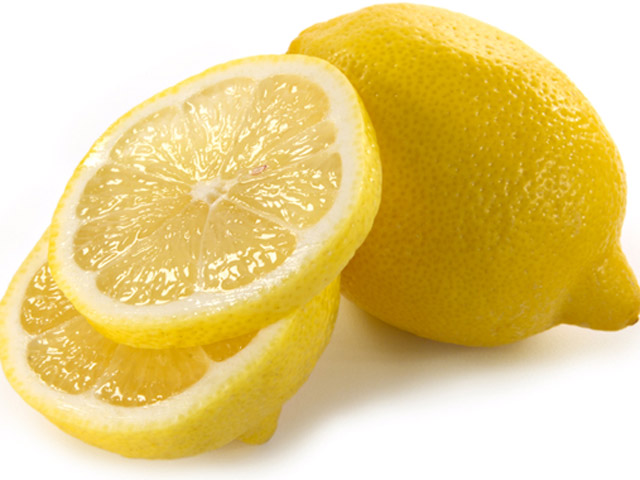
23. Lemon


Health Benefits: 
Lemons’ strong antibacterial, antiviral, and immune-boosting powers and their use as a weight loss  aid because lemon juice is a digestive aid and liver cleanser. Lemons contain many substances notably citric acid, calcium, magnesium, vitamin C, bioflavonoids, pectin, and limonene that promote immunity and fight infection.
Nutrients: 
Vitamin C, B6, potassium, folic acid, flavonoids and the outstanding phytochemical, limonene.


24. Mango

Health Benefits: 
Mango contains a variety of phytochemicals and nutrients. The fruit pulp is high in prebiotic dietary fiber, Vitamin C, diverse polyphenols and Provitamin A, Carotenoids. In mango fruit pulp, the antioxidant vitamins A and C, Vitamin B6 (pyridoxine), folate, other B Vitamins and Essential Nutrients such as potassium, Copper and amino acids are present. Mango peel and pulp contain other phytonutrients such as the pigment antioxidants carotenoids and polyphenols – and omega 3 and -6 polyunsaturated fatty acids. The mango triterpene, lupeol  is an effective inhibitor in laboratory models of prostate and skin cancers.

Nutrients: 
Vitamins A (beta-carotene), B6, C, and K, Potassium, Calcium, Phosphorus, Magnesium,
Copper, Iron, Zinc, Fiber.

25. Mangosteen

Health Benefits: 
Mangosteen is a small purple fruit about the size of a tangerine, which has traditionally been used to treat inflammation, dysentery, and skin disorders. 210 xanthones have been identified in nature, and over 40 of those have been found in the pericarp of the mangosteen fruit. The significance of these xanthones can be better understood by reading about the relationship between antioxidant and free radicals in preventing damage to healthy cells and restoring health to areas that have already been damaged.

Nutrients: 
Vitamin C, Fiber, Potassium and even some biologically active compounds like Catechins and Proanthocyanidins.

26. Melon

Health Benefits: 
Melon contains vitamin A, B and C and contains protein, calcium and phosphorus. Mineral content in melon can even eliminate the acidity of the body and have healing properties constipation. The acidity of the body should be removed because it would interfere with digestion, especially in the stomach organ. The melon has a very good diuretic that can cure kidney disease and severe eczema disease and acute. 

Nutrients: 
Melons provide a good source of potassium and vitamin C.  Like many other fruits, they are also fat and cholesterol free

27. Olives

Health Benefits: 
Olives are an excellent source of oleic acid (an omega-9 monounsaturated fatty acid). Since olives contain mixed tocopherols, they are also a good source of vitamin E.  Olives and their oil contain many unique phenolic and aromatic compounds, including oleuroperin and flavonoids. Research has shown that it is the type of fat consumed that determines the risk of developing conditions such as diabetes, atherosclerosis, colon cancer, arthritis, and asthma.

Nutrients: 
A very good source of Monounsaturated Fat and a good source of Iron, Vitamin E, Copper, and Dietary fiber.

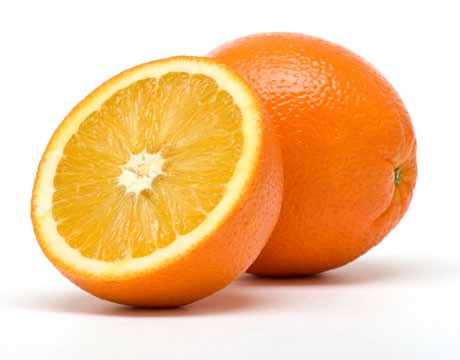
28. Orange

Health Benefits: 
Nutrients in oranges are plentiful and diverse. The fruit is low in calories, contains no saturated fats or cholesterol, but is rich in dietary fiber, pectin, which is very effective in persons with excess body weight. Pectin, by its action as bulk laxative, helps to protect the mucous membrane of the colon by decreasing its exposure time to toxic substances as well as by binding to cancer causing chemicals in the colon. Pectin has also been shown to reduce blood cholesterol levels by decreasing its re-absorption in the colon by binding to bile acids in the colon. Oranges also contain very good levels of vitamin A, and other flavonoid antioxidants such as alpha andbeta-carotenes, beta-cryptoxanthin, zea-xanthin and lutein. These compounds are known to have antioxidant properties. Vitamin A is also required for maintaining healthy mucus membranes and skin and is essential for vision. Consumption of natural fruits rich in flavonoids helps body to protect from lung and oral cavity cancers.

Nutrients: 
Polyphenols, Carotenoids, Aanthocyanins, Hydroxycinnamic Acids, Flavonoids, Herperidin, Vit C         

29. Papaya

Health Benefits: 
The Papaya fruit has beneficial vitamins and nutrients necessary in maintaining a good digestive system. Papaya is rich in enzymes called papain and chymopapain which helps with the digestion, it breaks down the proteins from the food we eat into amino acids. Because of its high antioxidant content, papaya can prevent cholesterol oxidation and can be used in a preventive treatment against atherosclerosis, strokes, heart attacks and diabetic heart disease. 

Nutrients: 
Papaya fruit is a rich source of nutrients such as provitamin A carotenoids, vitamin C, B vitamins, dietary minerals and dietary fiber. Papaya skin, pulp and seeds also contain a variety of phytochemicals including polyphenols.


30. Pineapple

Health Benefits:
Bromelain is a powerful enzyme, which is extracted from pineapple cores. The pineapple enzyme helps with the digestive system to break down our food and clean blood by removing debris and toxins from the blood stream.  Bromelain enzyme contains anti-inflammatory properties that benefit our internal organs. The enzyme also speeds up recovery after external injuries and reduces swelling. Eating pineapple fruit has also been known to reduce 'ulcerative colitis'. Vitamin B1 is partly responsible for the development of energy in the body, turning carbohydrates into the daily energy we need. Vitamin B1 is important for the nervous system and muscle functions. Vitamin B1 also goes by the name 'thiamine'. As well as being found in Pineapples, thiamine can be found in meat, whole-grain foods, leafy vegetables and egg yolks.

Nutrients: 
Vitamin C, B1 and smaller amounts of B2, B3, B5 and B6, manganese, copper, magnesium, potassium, beta-carotene, folic acid, and dietary fiber.

31. Pomegranate


Health Benefits: 
Pomegranates are full of antioxidants. These are vitamins and enzymes known for keeping low-density lipoprotein (LDL) or “bad” cholesterol from oxidizing and causing atherosclerosis, or hardening of the arteries. Organic pomegranate seeds act a lot like aspirin, keeping blood platelets from sticking together and forming dangerous blood clots. Antioxidants also buffer the effects of free radical damage to your cells caused by oxidation. Free radicals are produced by functions within the body and elements outside the body, such as radiation from the sun. Since you can’t stop free radical occurrence and oxidation, it’s important to consume foods that help neutralize their potential damage. Organic pomegranate seeds and drinking pomegranate juice can increase oxygen levels to the heart It also help combat erectile dysfunction. This super fruit might also reduce the inflammation of arthritis by slowing down the enzymes that break down cartilage.


Nutrients: 
Flavonoids, Resveratrol, Ellagic Acid, Vit A, Vit C.

32. Pumpkin Seeds

Health Benefits: 
Pumpkin seeds are edible kernels of pumpkin fruit. The seeds, in-fact, are concentrated source of numerous health benefiting minerals, vitamins and anti-oxidants. These nuts are especially rich in mono-unsaturated fatty acids like oleic acid that helps lower bad LDL cholesterol and increase good HDL cholesterol in the blood. In addition, the seeds are excellent source of amino acids tryptophan and glutamate. Tryptophan is converted in to serotonin and niacin. Serotonin is a beneficial neuro-chemical often labeled as nature's sleeping pill. Further, tryptophan is precursor of B-complex vitamin, niacin. Glutamate, on the other hand is required in the synthesis of γ-amino butyric acid (GABA). GABA, an anti-stress neurochemical in the brain, helps reducing anxiety, nervous irritability, and other neuroses conditions.

Nutrients: 
Fiber, Vitamins, Minerals and Numerous health promoting antioxidants.


33. Red Beets

Health Benefits: 
All the vitamins and minerals found in red beet have a revitalizing effect on your body. The immune system gets strengthened by eating red beet frequently. It can prevent anemia, pulmonary diseases, heart or liver problems, constipation or colon cancer. The red beet directly actions on your liver, reducing the fat deposits and toxins that affect your liver. Red beet is really good for the health of you liver. The potassium form red beet will protect the heart. The folic acid and potassium will lower the chances of suffering from high blood pressure.

Nutrients: 
Red beet contains vitamin A, B, C, E, K and lots of potassium, folic acid and manganese. From red beet you will also get calcium, iron, magnesium, phosphor, selenium, zinc, sodium, copper, iodine and tryptophan.

34. Sea Buckthorn


Health Benefits: 
Sea buckthorn is an energizer, anti-anemic, abundant in vitamins, anti-inflammatory herb, and it also decreases appetite (in cases of treatments against obesity). At the same time it speeds up the recovery process after an illness, it's a good coronary protector and it can also slow down the aging process. Due to the presence of a large amount of vitamins that it contains (C, A, B1, B2, B6, B9, E, K, P, F, as well as phosphoric microelements, calcium, magnesium, potassium, iron, and sodium), sea buckthorn is used effectively in treating liver failures, improving the detoxification of the hepatic cell. It contributes to the synthesization of proteins and through the considerable amount of carotene that it contains

Nutrients: 
Vitamins that it contains (C, A, B1, B2, B6, B9, E, K, P, F, as well as phosphoric microelements, calcium, magnesium, potassium, iron, and sodium.

35. Spinach

Health Benefits:  
Spinach and other dark leafy greens like kale, collards, Swiss chard, turnip greens and bok choy are loaded with calcium, folic acid, vitamin K and iron. Spinach is also rich in vitamin C, fiber and carotenoids. Add its lutein and bioflavanoids and spinach is a nutritional powerhouse. The A and C vitamins in spinach plus the fiber, folic acid, magnesium and other nutrients help control cancer, especially colon, lung and breast cancers. Folate also lowers the blood levels of something called homocysteine, a protein that damages arteries. So spinach also helps protect against heart disease. The flavonoids in spinach help protect against age related memory loss. Spinach's secret weapon, lutein, makes it one of the best foods in the world to prevent cataracts, as well as age related macular degeneration, the leading cause of preventable blindness in the elderly. Foods rich in lutein are also thought to help prevent cancer.

Nutrients: 
Vitamins A, B complex, C, E, K, Carotenes, Folate, Manganese, Calcium, Iron, Iodine, Magnesium, Phosphorus, Potassium, Sodium, some trace elements and many valuable amino acids.


36. Tomato

Health Benefits: 
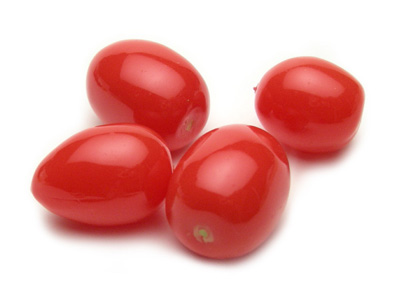
Tomatoes constitute an excellent food for those who want to adopt a natural diet. It contains a series of elements appropriate to detoxify organisms and prevents the occurrence of many illnesses. Lycopene is a component that gives the tomato its Red color and has these anti-cancerous properties. Lycopene reduces the probabilities of many cancers such as those affecting the prostate, lungs, stomach, bladder and uterus.

Nutrients: 
Lycopene,  Vit A, Vit B6, Niacin , Riboflavin, Vit C, Vit K, Fiber, Potassium, Folate, Chromium

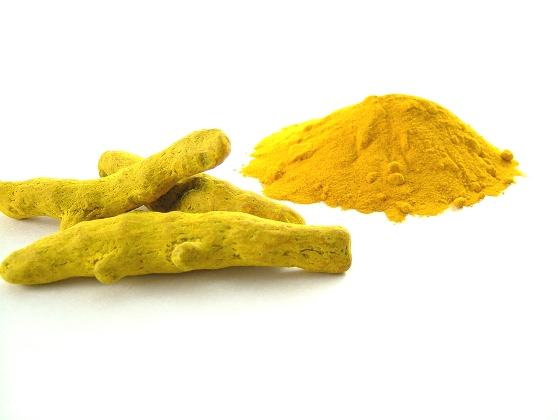
37. Turmeric

Health Benefits: 
Turmeric has also been dubbed the wonder product because of its ability to fight free radicals. This excellent anti-oxidant is known to help prevent various diseases as well as cancer. In fact, turmeric is one of the best known remedies used to reduce the recovery time of various skin afflictions that are caused by chicken pox etc. Turmeric helps in reducing skin rashes as well.

Nutrients: 
Dietary Fiber, Vitamin B-6 (pyridoxine), Niacin, Vitamin C, Vitamin E, Potassium, Iron, Manganese and Zinc.   

38. Watermelon

Health Benefits: 
Watermelons are an excellent source of several vitamins. Vitamin A, which helps maintain eye health and is an antioxidant; Vitamin C, which helps strengthen immunity,  heal wounds, prevents cell damage, promotes healthy teeth and gums; and vitamin B6, which helps brain function and helps convert protein to energy. Watermelon also contains the amino acids citrulline and arginine, which can help maintain arteries, blood flow and overall cardiovascular function.


Nutrients: 
Beta-carotene, folic acid, vitamin C, vitamin B5 and smaller amounts of B1, B2, B3 and B6, calcium, magnesium, phosphorus, potassium, sodium and  smaller amounts of copper, iron and zinc.